Why is Princess Turandot So Cold and Cruel?
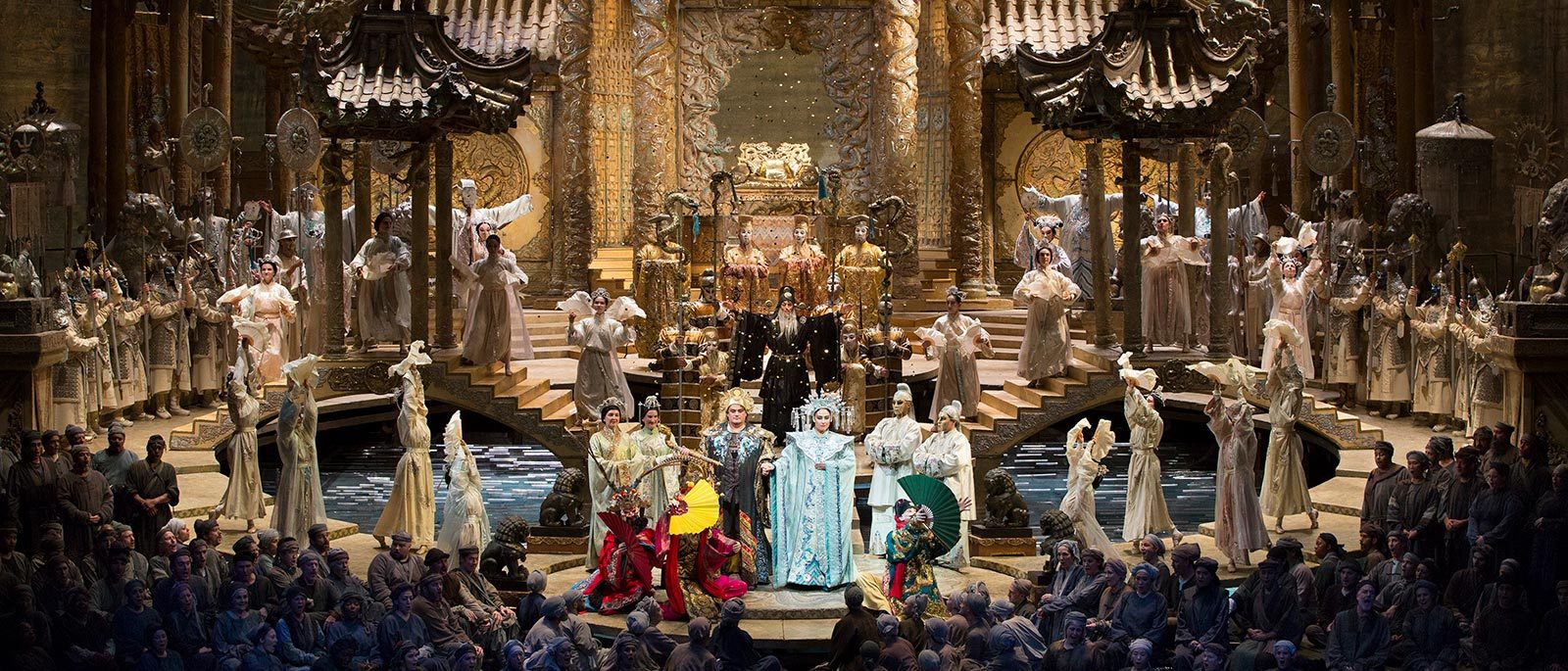
Puccini's opera Turandot is far more than a simple love story. Its core powerfully explores the origins of psychological trauma, the defenses it builds, and the difficult path to redemption. The princess's terrifying cruelty is not her true nature; it springs from a profound intergenerational wound: the tragic story of her ancient ancestor, Princess Lou-Lin, who was brutally violated and killed by a foreign invader. This collectively remembered history became internalized by Turandot as a deep-seated hatred and fear of men, particularly outsiders.
The Fortress of Trauma: Vengeance as a Defense
To manage this deep psychological injury, Turandot erects formidable psychological defense mechanisms. Her use of the three riddles as a weapon, leading to the execution of any failing suitor, is, on a symbolic level, a form of extreme self-protection. Her coldness is not a display of strength, but rather a stark revelation of an unhealed inner fragility and terror. The wall of hatred she has built completely seals off her genuine emotions, making her a prisoner of her trauma. Her pattern of "consuming" men is the external manifestation of the isolation and aggression born from deep-seated pain.
Love's Intervention: A Tripartite Assault on the Fortress
Calaf's arrival represents the active force of redemption. The riddle contest is a direct psychological confrontation, a challenge to Turandot's inner world. The answers—"hope," "blood," and "Turandot" themselves—strike at the core of her fractured identity: her loss of hope, her life-force frozen by vengeance, and her own self being the source of her torment. The subsequent kiss, within the opera's symbolic framework, is not an act of aggression but a decisive "ice-breaking" gesture—an irresistible, physical act of love that violently shakes the foundations of her frozen emotional state.
Yet, the final, crucial key to her redemption comes from the sacrifice of the slave girl, Liù. Liù's silent, pure, and selfless love for Calaf, culminating in her suicide to protect his secret, delivers the most powerful rebuttal to Turandot's logic of vengeance. Liù's death acts like a piercing light, illuminating the desolation that Turandot's hatred had concealed. It forces Turandot to confront, for the first time, a love that transcends life and death, asking for nothing in return. This sacrifice becomes the final blow that shatters her psychological defenses.
The Traumatized Self Reborn
Turandot's transformation from absolute cruelty to being moved by love powerfully illustrates the journey of healing from profound psychological trauma. It clearly demonstrates that hatred is a fortress built by trauma, leading only to deeper isolation and ruin. True healing requires both the courageous intervention of love and the enlightenment found in selfless sacrifice. Only when this external challenge meets an internal awakening can the ice around a human heart finally melt, allowing a personality once defined by trauma to break its chains and move toward acceptance and a new beginning.
( The end )
Direct Citations from the Opera's Libretto
These are specific words, names, and concepts taken directly from the source material (the opera Turandot by Giacomo Puccini, with a libretto by Giuseppe Adami and Renato Simoni).
The Riddle Answers:
"Hope" (Speranza)
"Blood" (Sangue)
"Turandot" (Turandot)
Context: These are the three correct answers given by Calaf to Turandot's riddles in Act II. They are central plot points and carry significant thematic weight.
Historical Figure:
"Princess Lou-Lin" (Principessa Lou-Ling)
Context: This is the name of Turandot's ancestor, whose tragic story of violation and death at the hands of a foreign invader is the foundational trauma motivating Turandot's vengeance. The name is established in the opera's narrative.
Analytical and Symbolic Interpretations
These are descriptive phrases coined by the author of the analysis to interpret and symbolize the opera's themes and character motivations. They are not direct quotes from the libretto but are critical to the analytical argument.
Symbolic Act Description:
"Consuming men"
Context: This phrase is used as a symbolic interpretation of Turandot's pattern of behavior: using the riddles to bring about the execution of her suitors, thereby "consuming" or destroying them.
Metaphorical Description:
"Ice-breaking"
Context: This metaphor describes the function of Calaf's kiss, which is interpreted as a decisive act that begins to shatter Turandot's emotionally frozen and defensive state.
Thematic Summaries:
"The courageous intervention of love"
"The enlightenment found in selfless sacrifice"
Context: These two phrases are used to summarize the two primary forces that lead to Turandot's redemption. The first refers to Calaf's active and persistent love, while the second refers to the transformative impact of Liù's death.