Blog
35 essays
Why Endings Change Our Memories
A vacation can be wonderful for six days and frustrating on the seventh, yet months later the frustrating ending may be one of the first things we remember. The reverse…
Why Waiting Feels Longer
Waiting ten minutes and waiting for “a little while” can feel surprisingly different. If someone tells me they will call in ten minutes, I can usually move on and do…

The Unsafe Sense of Security
At the very beginning of life, we are born into darkness and warmth—the womb—and we exist in a curled, safe position. As we grow, we never stop craving that sense of…
Why We Start Sounding Like the People Around Us
Have you ever spent a few days with someone and suddenly caught yourself using their favorite phrase?
A Lie in Another Language: Why Truth Feels Different When We Translate It
First, you say it in your first language. Then, you say it in a language you learned later. The words may mean the same thing, but somehow they do not feel exactly the…

Why is Princess Turandot So Cold and Cruel?
Puccini's opera Turandot is far more than a simple love story. Its core powerfully explores the origins of psychological trauma, the defenses it builds, and the…
Why the Words We Use for Feelings Matter
You feel your chest tighten after a conversation. You reread a message and sense something has shifted. You sit in your room after school, unable to decide whether you…
Why We Copy Other People Without Realizing
You may not notice when you start sounding like the people around you.

Why Compliments Make Us Uncomfortable
Someone says you did well. Someone calls you smart. Someone tells you that you look good today. Instead of simply accepting it, you deflect. You laugh. You downplay. You…

Why We Feel Awkward After Saying Something Vulnerable
You finally say it. You admit you were hurt. You confess that you miss someone. You share something personal that took courage to express. And then, almost immediately,…
Why Our Brains Romanticize the Past More Than the Future
The past often feels warmer than it was. Even painful memories soften with time. Awkward moments become funny. Loneliness turns into longing. We replay old scenes and…

Why We Feel Most Honest Late at Night
There is something about late night honesty. Confessions feel easier. Messages get longer. Thoughts that stayed buried all day suddenly surface. We tell the truth when…

Why We Are Drawn to Watching Other People’s Lives
Many of the most watched videos on social media apps are quiet and uneventful. Someone studies. Someone cooks. Someone cleans their room. Nothing dramatic happens. And…
Why Soft Life Content Is Everywhere Right Now
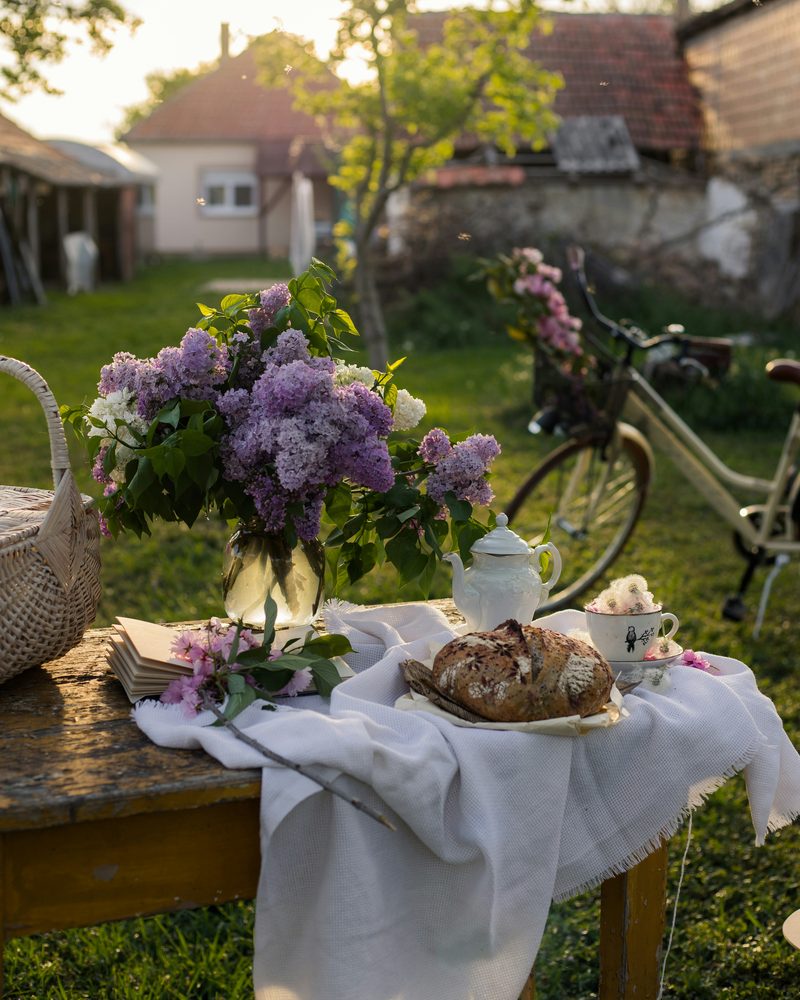
Scroll through Rednote and a pattern quickly emerges. Slow mornings. Quiet rooms. Neutral colors. Gentle music. A cup of coffee held near a window. This wave of soft…

Why We Feel Guilty for Resting
Rest should feel natural. Instead, it feels earned or worse, undeserved. Even in moments of stillness, many of us experience guilt, the sense that we should be doing…

Why We Soften Our Language When We Are Afraid
We rarely say what we mean directly when it matters most. Instead, we hedge. We say kind of, maybe, I was just wondering, or this might sound stupid, but. Our sentences…

The Illusion of Emotional Closure
We often say we want closure. Closure from a breakup, a friendship that faded, a loss that never fully resolved. We imagine it as a moment: a final conversation, an…
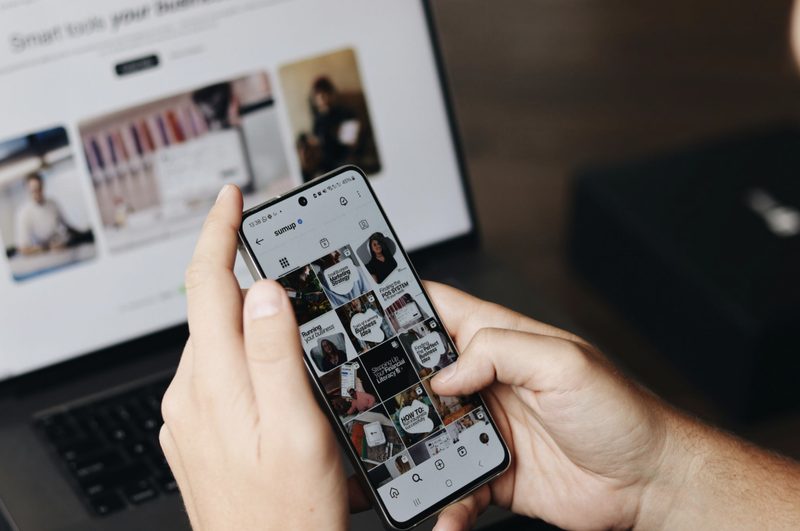
Why We Explain Ourselves Online More Than in Real Life
Online, we explain everything. Why we said something. What we meant. Who we are. A single post can come with paragraphs of clarification, disclaimers, and emotional…

Why We Talk to Ourselves: The Hidden Science of Inner Speech
We talk to ourselves more than we talk to anyone else. Sometimes it’s a whisper in the mind: Did I lock the door? You can do this. Don’t forget your lines. Other times…
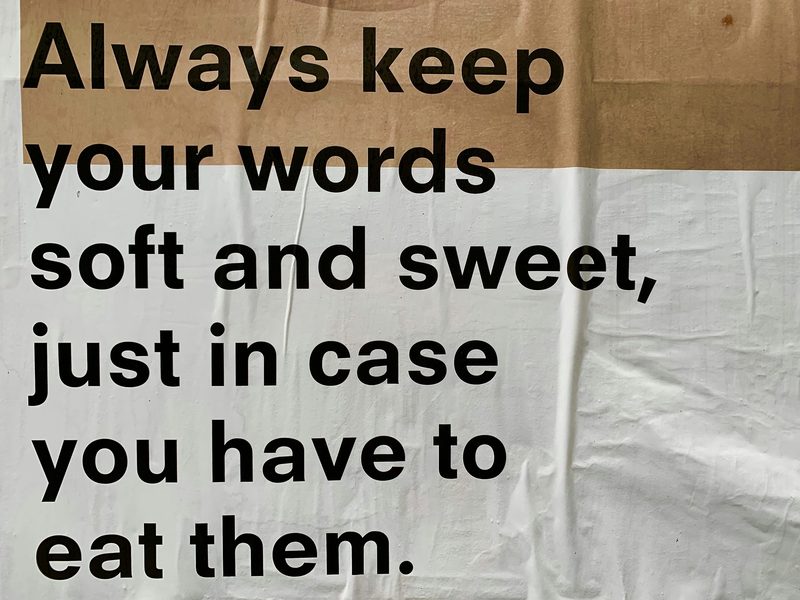
The Language of Love: Why Certain Words Feel More Emotional Than Others
Why do some words hit us harder than others? Why does “I miss you” feel tender, while “miss u” feels hollow? Why do certain languages carry emotions we can’t translate:…
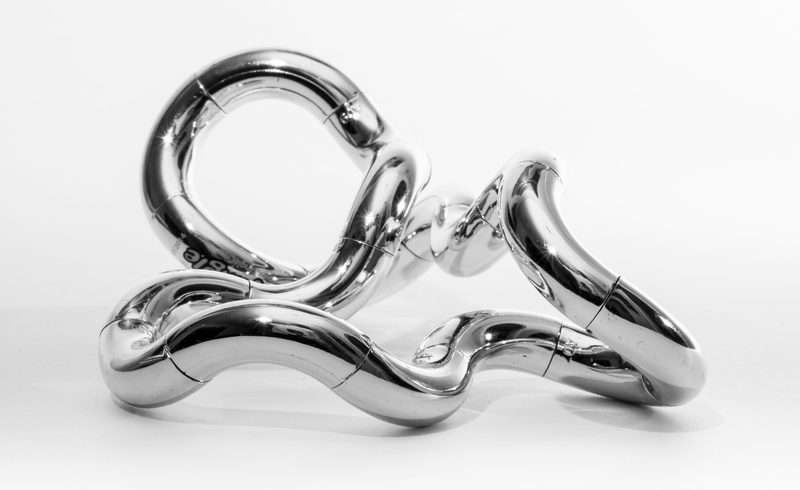
Why We Cannot Stop Fidgeting Tangles
It starts with a twist. The Tangle, a looping plastic toy that bends and clicks in the hand, has taken over TikTok as the latest fidget style. At first glance, it seems…

“Main Character Energy” and the Economics of Attention
“Romanticize your life.” “You’re the main character.” These phrases flood social media with reels where sunlight hits a coffee cup just right. What began as a confidence…
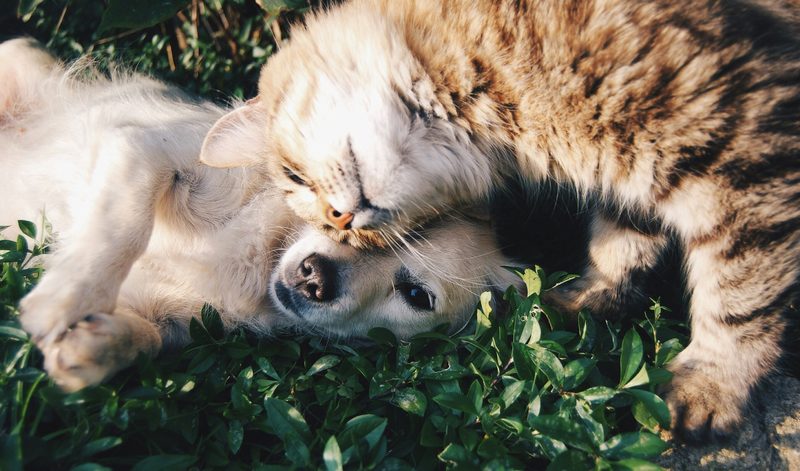
Do Pets Think Like Us?
When your dog tilts her head or your cat stares at you with unblinking eyes, it’s hard not to wonder: do pets think like us? For centuries, philosophers argued that…

The Economics of Generosity: Why Do We Give Without Expecting a Return?
Why do humans give without expecting anything back? At first glance, generosity seems irrational. Standard economic models imagine humans as self-interested actors who…
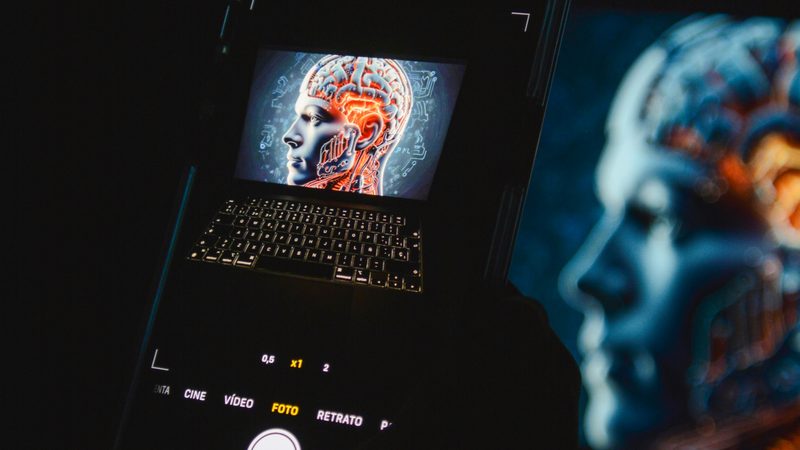
A.I. Usage at Westminster
Artificial intelligence has seen a meteoric rise in the past five years, going from science fiction to billions of people’s fingertips. According to Computing, a…
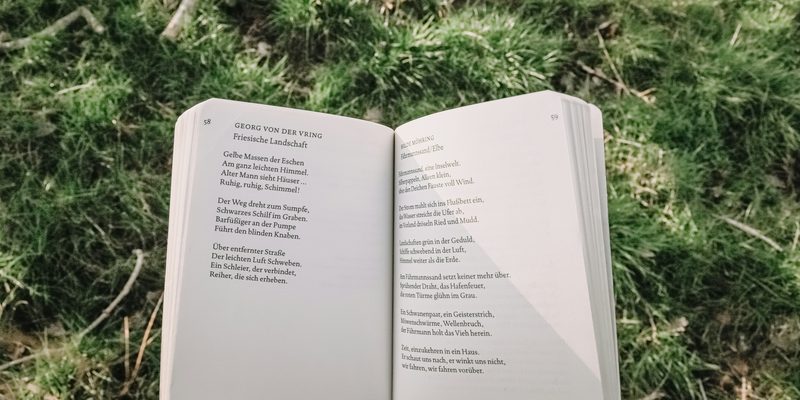
Why Do We Write Poems?
Coming back from summer vacation, you feel both refreshed and faintly miserable. The break is over, the work begins again, and the hallways smell of printer ink and…
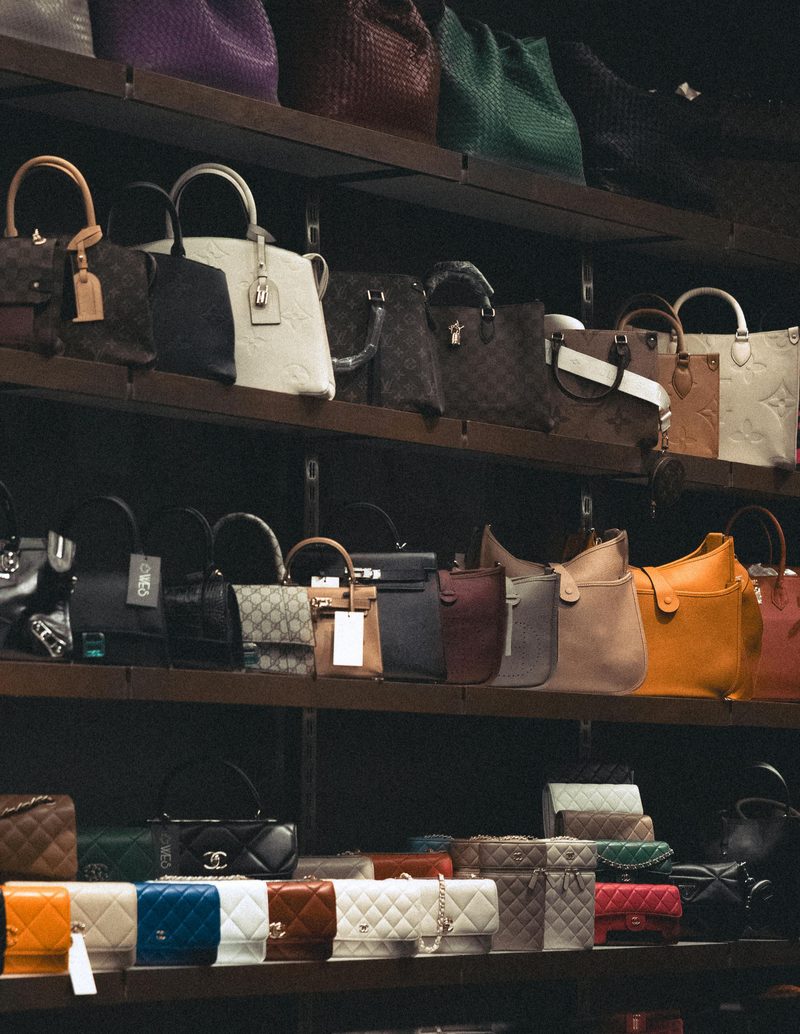
Why We Buy Brands: Identity, Signaling, and the Economics of Logos
Every time we choose a sneaker with a noticeable logo, carry a designer bag, or drive a certain car, we are sending messages. The messages are not just functional ones…

Why Do Humans Gossip?
When we think of gossip, we often picture idle chatter or hurtful rumors whispered behind someone’s back. Yet anthropologists and psychologists argue that gossip is far…

Why Humans Love Ghost Stories
From campfire whispers to blockbuster horror, ghost stories have captivated people for centuries. They may seem like simple entertainment, but psychology and…
Do Bilinguals Have Different Personalities in Each Language?
Many bilinguals have noticed something curious: they feel like a different person depending on which language they are speaking. Someone might feel more confident and…
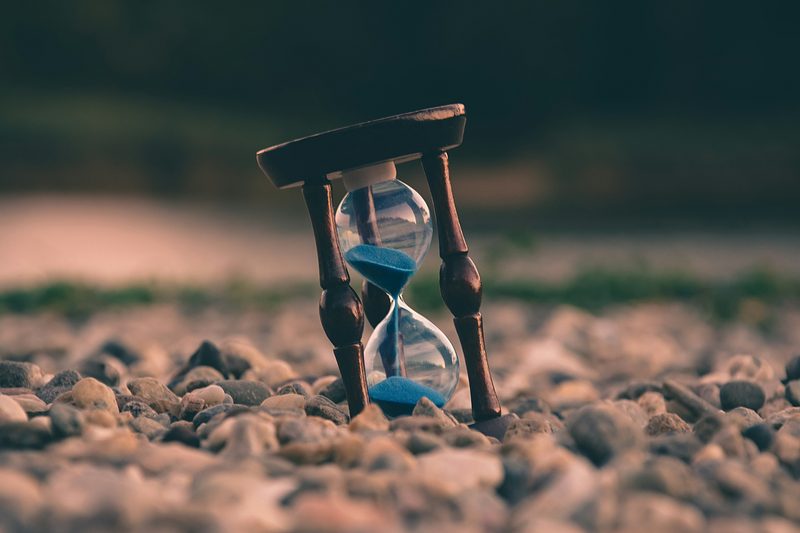
The Psychology of Waiting: Why Time Feels Longer Than It Is
We’ve all felt it: that nagging itch when waiting in line, where a few minutes stretch to eternity. Psychology and anthropology unpack why waiting often feels worse than…
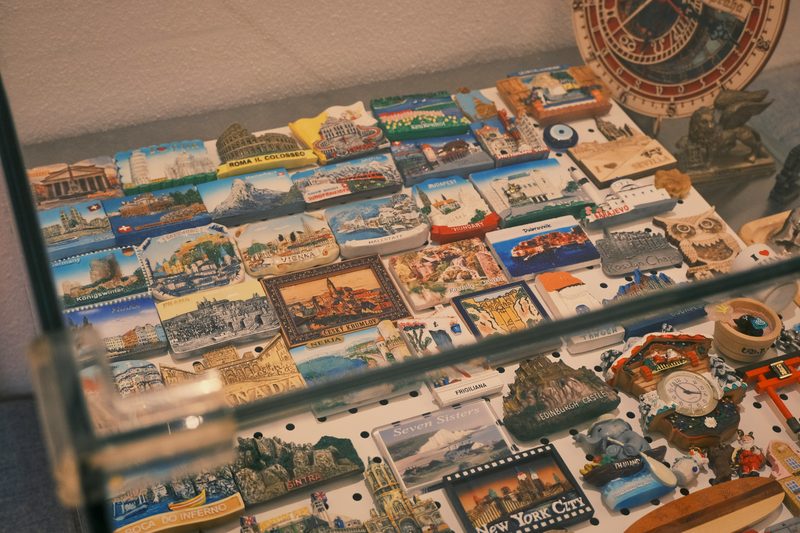
Why Do Humans Collect Souvenirs?
On almost every trip, people bring something back with them: a postcard, a seashell, or a keychain stamped with the name of a city. At first glance, these souvenirs look…
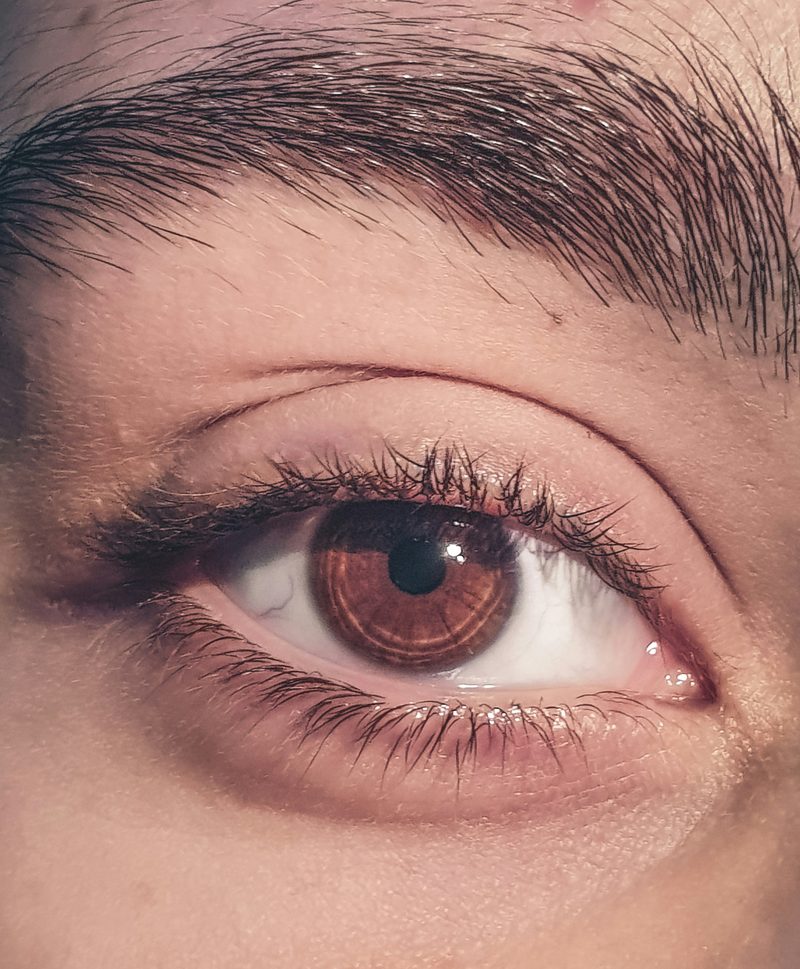
When Brows Betray: A Cultural Lens on Microexpressions
In 2005, a seminal cross-cultural experiment by Matthew Dailey and colleagues presented an illuminating paradox: Japanese and American participants were more accurate at…

Healing Beyond Words: When Ritual, Touch, and Symbol Carry the Cure
In modern clinical settings, healing is often equated with talking. Therapy sessions revolve around verbal confessions, diagnoses are communicated through language, and…

How Quechua Makes You Account for Emotion: The Linguistics of Grief
Recent advances in psycholinguistics and cultural anthropology reveal how linguistic structures influence grief. In Quechua, a major Indigenous language family spoken in…